The Relationship Between Scent and Skin
The Art of Wearing · 6 min read
Why the same fragrance can feel different on every person — and why that is something to celebrate.
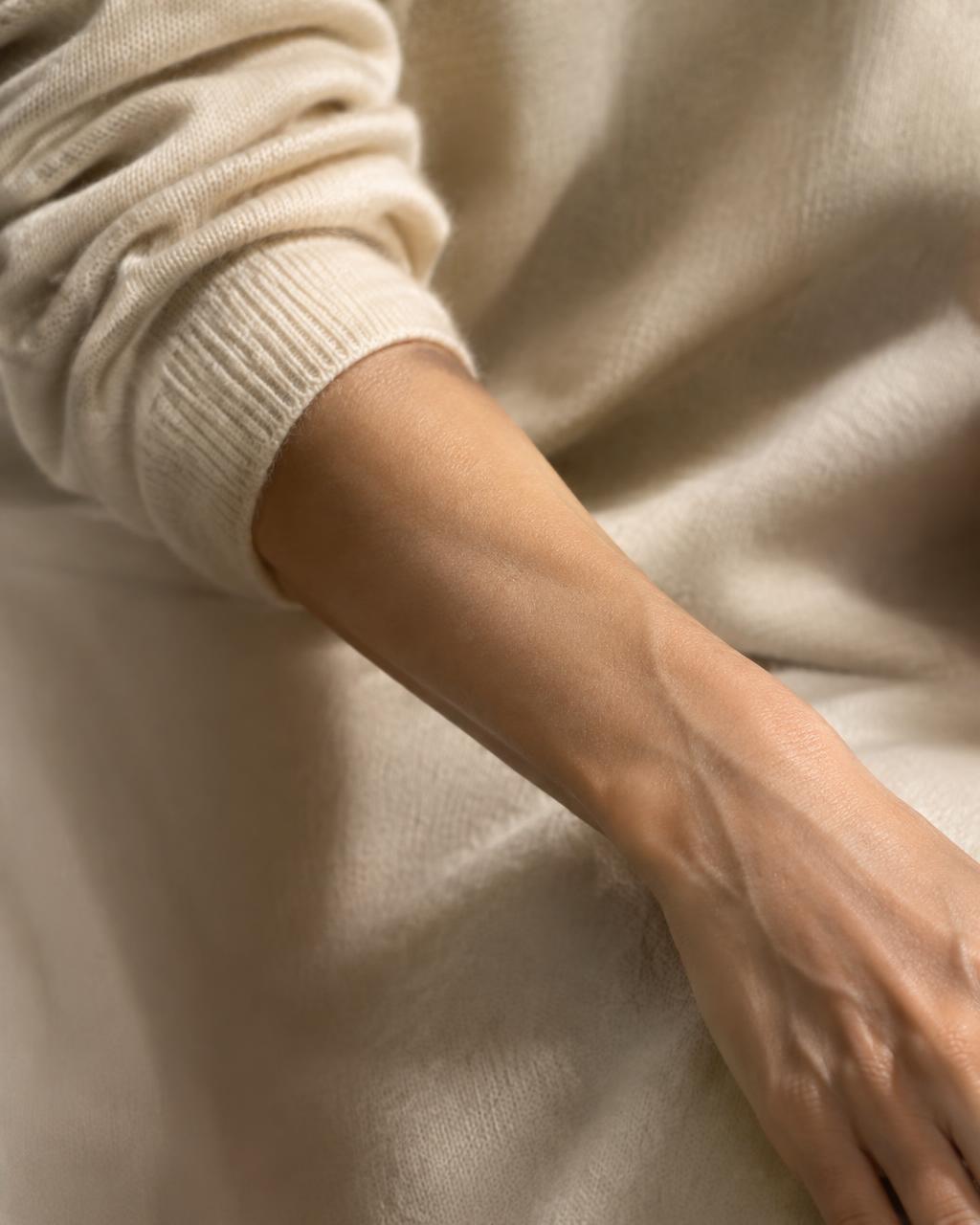
A fragrance in the bottle is only a beginning. It becomes complete on skin, where warmth, movement and time reshape it. This is why perfumers so often say that a scent should be tried on the body before it is judged.
A living surface
Skin is warm, and warmth helps a fragrance diffuse. The more volatile materials — often citrus and light aromatics — rise first and fade sooner. Heart and base materials unfold over the following hours. Many people notice that a fragrance seems to change character as the day goes on; this gradual evolution is part of how compositions are designed.
Individual factors such as skin dryness, the products we use and even the environment can influence how a fragrance is perceived. The effect is often subtle, but it means that no two people wear a scent in exactly the same way.
Fragrance as an invisible garment
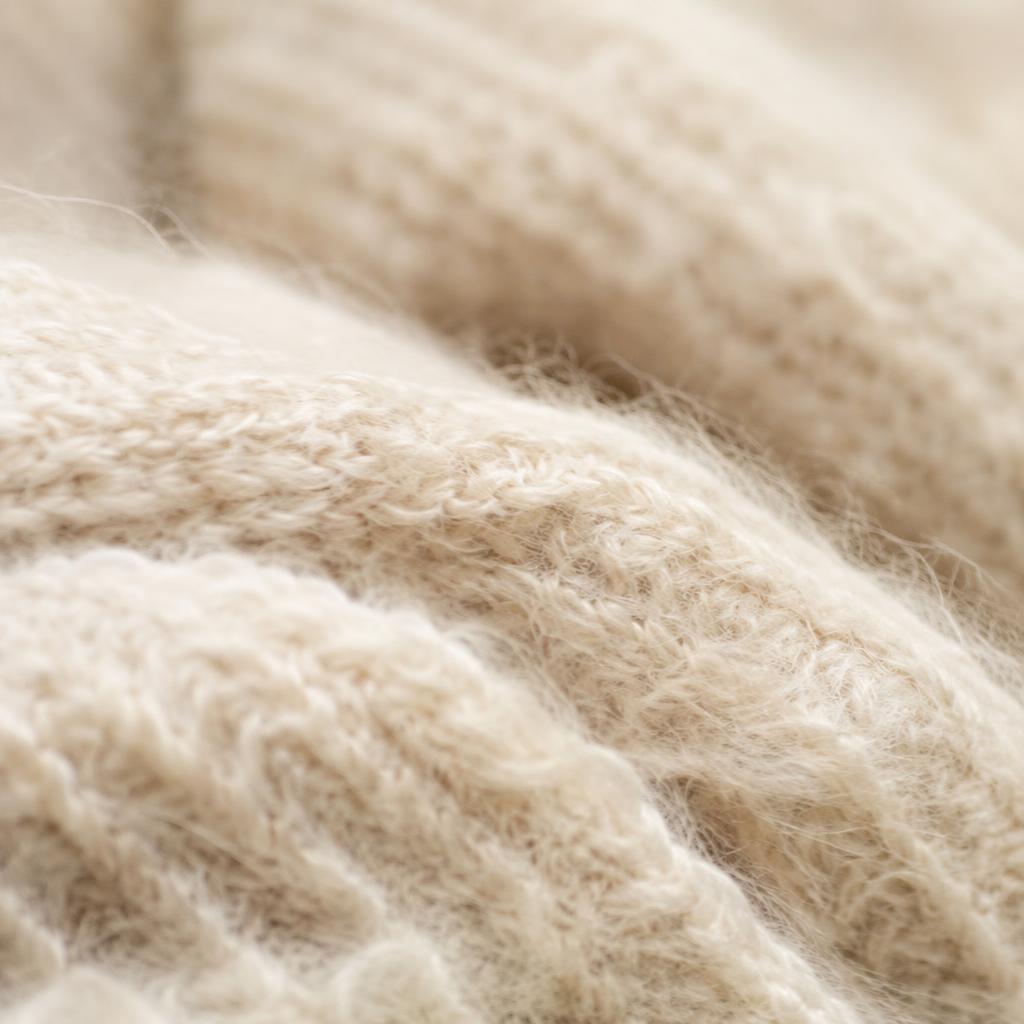
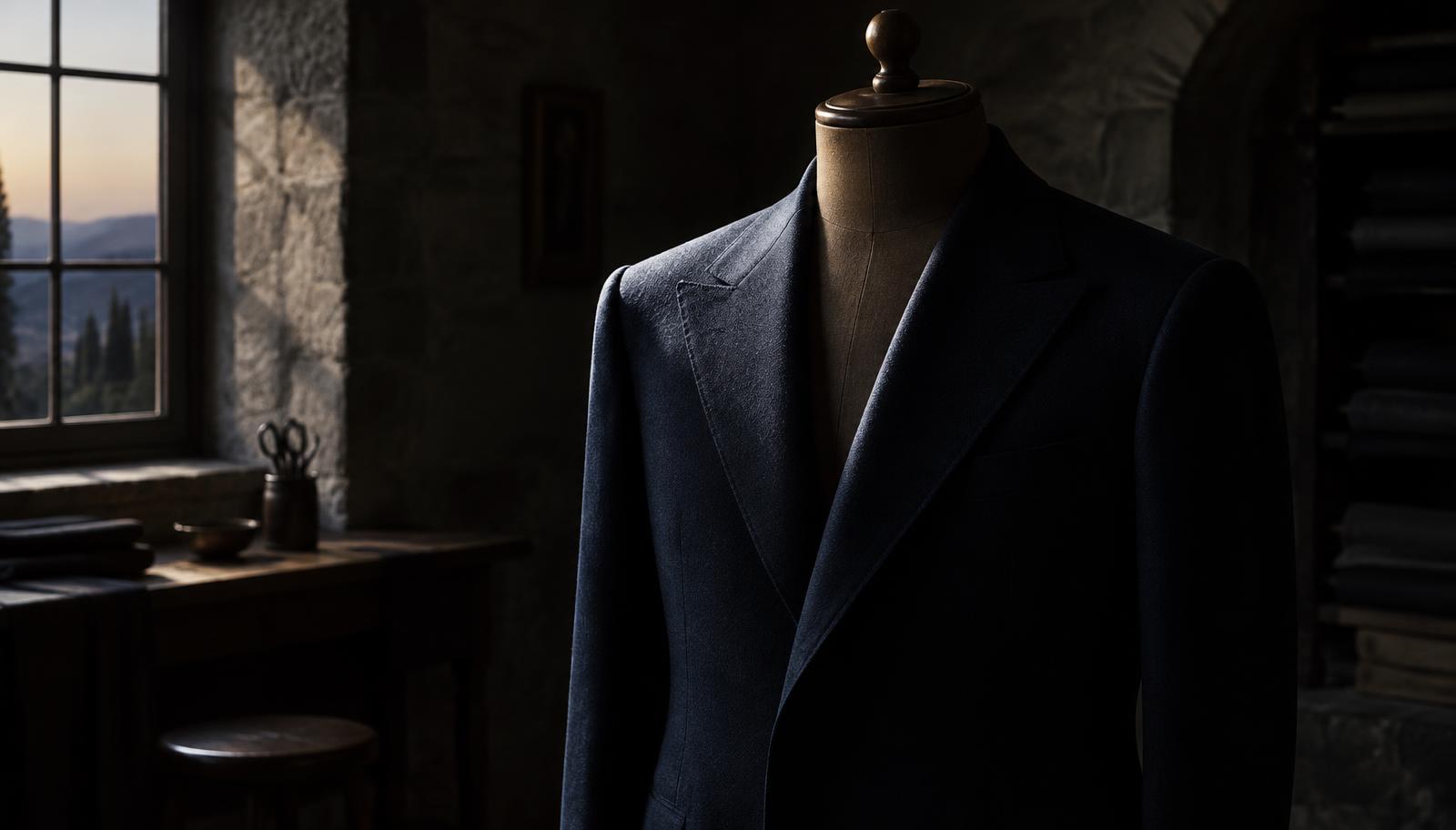
At TEXTURA we think of fragrance the way a tailor thinks of cloth. A garment is cut to the body, but it only comes alive when it is worn — when it moves, creases, warms. Fragrance behaves in a similar way. It is shaped by the person wearing it.
This is the idea behind our house: that a scent can be chosen like a fabric, for how it feels as much as for how it looks or smells.
Some gentle guidance
Apply to pulse points, where skin is warmest. Avoid rubbing the wrists together, which can blur the opening. Extrait concentrations are rich, so begin with less than you think. And allow time — the most interesting moments of a fragrance are often found an hour after it is applied.
As with any cosmetic product, if you have sensitive skin, test a small area first.