The Language of Cashmere
Materials · 5 min read
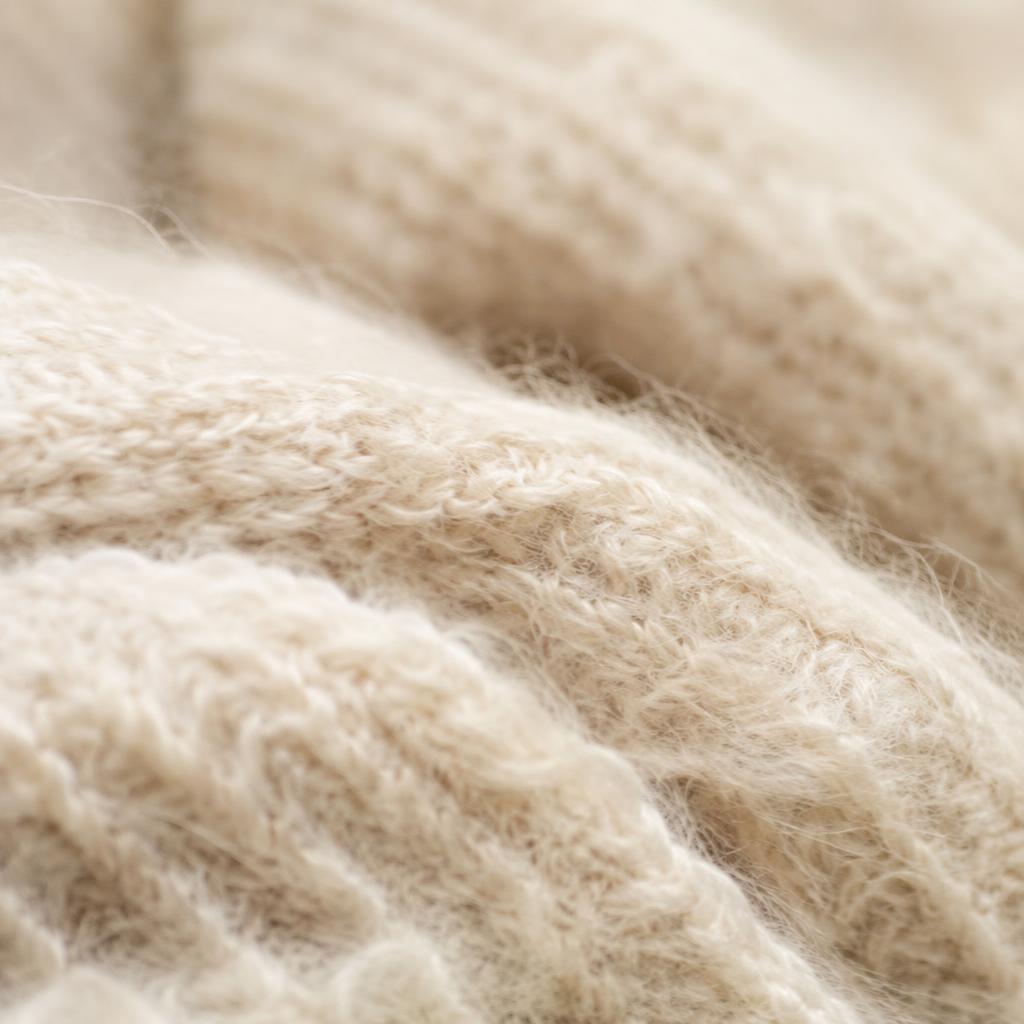
Why the softest of fibres speaks so quietly — and what it taught us about composing MOLLIS.
Few materials are described as often, or as imprecisely, as cashmere. It is called soft, luxurious, warm — all true, and none quite sufficient. To understand cashmere you have to handle it: the slight give of the knit, the haze of fibre on its surface, the way it seems to warm before it touches you.
At TEXTURA we begin every composition with a material rather than a note. Cashmere was the first.
A fibre defined by restraint
Cashmere comes from the fine undercoat of certain goats, combed rather than sheared. The fibres are exceptionally fine, which is why the finished cloth drapes and insulates while feeling almost weightless. Its beauty is not decorative. A cashmere sweater rarely calls attention to itself; its quality is recognised in the hand, or in the way it falls.
That restraint became our brief. We did not want a fragrance that announced itself across a room. We wanted something closer — a scent that would be noticed by the wearer first, and by others only at a distance of intimacy.
Translating touch into scent
Fragrance cannot reproduce texture literally, but certain materials suggest tactile qualities. In MOLLIS 01, almond blossom, a delicate hazelnut-skin nuance and an airy soft accord create a gentle opening. Creamy sandalwood, gentle vanilla and a cashmere wood accord merge into a rounded heart, while ambrette, pale woods and a soft textile-skin accord leave a warm, intimate trail.
MOLLIS is built from these associations. It is not meant to smell of wool, but to evoke the feeling of wearing something soft and finely made, close to the body, on a quiet morning.
Caring for the things we love
Cashmere rewards attention: gentle washing, careful folding, rest between wears. It is a material that asks us to slow down. Perhaps that is its real language — not luxury as display, but luxury as care.